

Hey there! As a supplier of PP Pet Plastic Packaging Container Thermoforming Machines, I often get asked this question: Can a PP Pet Plastic Packaging Container Thermoforming Machine process other materials besides PP and PET? Well, let's dive right into it.
First off, let's understand what a thermoforming machine does. In simple terms, a thermoforming machine heats up a plastic sheet until it becomes soft and malleable. Then, it uses a mold to shape the plastic into the desired form, like containers for packaging. Our PP Pet Plastic Packaging Container Thermoforming Machine is designed to work great with PP (polypropylene) and PET (polyethylene terephthalate), which are super common in the packaging industry.
PP is known for its flexibility, chemical resistance, and relatively low cost. It's used in all sorts of packaging, from food containers to medical packaging. PET, on the other hand, is strong, clear, and has excellent barrier properties against oxygen and moisture. It's a top choice for beverage bottles and food trays.
But the big question is, can this machine handle other materials? The answer is yes, to some extent.
Polystyrene (PS)
Polystyrene is another widely used plastic in the packaging world. It comes in two main forms: expanded polystyrene (EPS) and general-purpose polystyrene (GPPS). Our thermoforming machine can handle GPPS quite well. GPPS is rigid, transparent, and has good dimensional stability. It's often used for products like disposable cutlery, CD cases, and clear packaging trays.
When processing GPPS, the temperature settings on the thermoforming machine need to be adjusted. Since GPPS has a different melting point compared to PP and PET, we have to make sure the heating elements are set at the right temperature to soften the GPPS sheet properly. Also, the cooling process might need to be tweaked a bit to ensure the final product has the right shape and strength.
Polyvinyl Chloride (PVC)
PVC is a versatile plastic with a wide range of applications. It can be rigid or flexible, depending on the additives used. Our machine can process rigid PVC, which is commonly used in packaging for products like blister packs, clamshells, and credit cards.
Processing PVC requires extra care because it releases harmful chemicals when heated. So, proper ventilation systems need to be in place to protect the operators. The thermoforming process for PVC also involves different temperature and pressure settings compared to PP and PET. PVC has a higher melting point, and we need to make sure the heating is uniform across the sheet to avoid any warping or uneven shaping.
Polycarbonate (PC)
Polycarbonate is a strong, transparent plastic with high impact resistance. It's used in products like safety glasses, electronic device housings, and some high - end packaging. Our thermoforming machine can handle PC, but it's a bit more challenging.
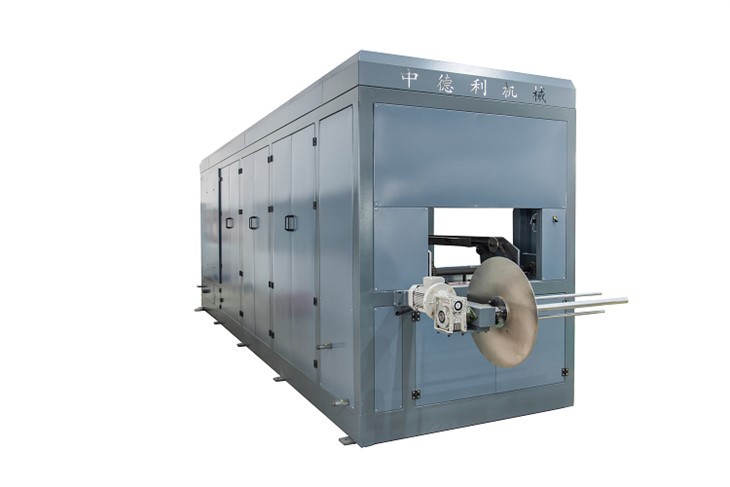

PC has a very high melting point, and it requires precise temperature control during the heating process. If the temperature is too low, the PC sheet won't soften enough to be formed properly. If it's too high, the PC can degrade and lose its strength and clarity. Also, PC is more prone to stress cracking, so the cooling process needs to be carefully managed to minimize internal stresses in the final product.
Advantages of Processing Multiple Materials
One of the main advantages of being able to process multiple materials with our PP Pet Plastic Packaging Container Thermoforming Machine is the increased flexibility for our customers. They can use the same machine to produce different types of packaging products, depending on the specific requirements of their clients. For example, if a customer has an order for food containers made of PP one day and CD cases made of GPPS the next, they don't need to invest in a separate machine for each material.
It also allows for cost - savings. Instead of having multiple machines for different materials, they can rely on a single machine, which reduces the initial investment, maintenance costs, and floor space requirements.
Challenges and Limitations
While our machine can process these other materials, there are some limitations. Not all materials are created equal, and some might require additional modifications to the machine. For example, some materials might need special molds or tooling to achieve the best results.
Also, the production speed might be affected when processing different materials. Some materials, like PC, take longer to heat and cool, which can slow down the overall production process. And as I mentioned earlier, some materials, like PVC, require additional safety measures, which can add to the operational costs.
Our Machine's Features for Processing Different Materials
Our PP Pet Plastic Packaging Container Thermoforming Machine is equipped with advanced control systems that allow for easy adjustment of temperature, pressure, and speed settings. This makes it relatively straightforward to switch between different materials.
We also offer a range of optional accessories, such as different types of molds and heating elements, to optimize the processing of various materials. For example, we have molds specifically designed for processing GPPS and PVC, which can improve the quality and consistency of the final products.
Fully Automatic vs. Single Working Station Machines
We have both Fully Automatic Plastic Thermoforming Machine and Single Working Station Plastic Thermoforming Machine options. The fully automatic machine is great for high - volume production. It can handle large rolls of plastic sheets and perform the entire thermoforming process, from heating to cutting, with minimal human intervention. This is ideal for processing multiple materials in large quantities.
The single working station machine, on the other hand, is more suitable for small - scale production or for prototyping. It allows operators to have more control over the process, which can be beneficial when trying out new materials or making custom - shaped products.
Conclusion
So, in conclusion, our PP Pet Plastic Packaging Container Thermoforming Machine can indeed process materials other than PP and PET, such as GPPS, PVC, and PC. While there are some challenges and limitations, the ability to work with multiple materials offers increased flexibility and cost - savings for our customers.
If you're in the market for a thermoforming machine that can handle a variety of materials, we'd love to have a chat with you. Whether you're a small business looking to start producing your own packaging or a large manufacturer looking to expand your product range, our machines can meet your needs. Contact us to discuss your specific requirements and let's see how we can work together to achieve your production goals.
References
- "Plastics Technology Handbook" by James F. Carley
- "Thermoforming: A Practical Guide" by John S. Wagner