

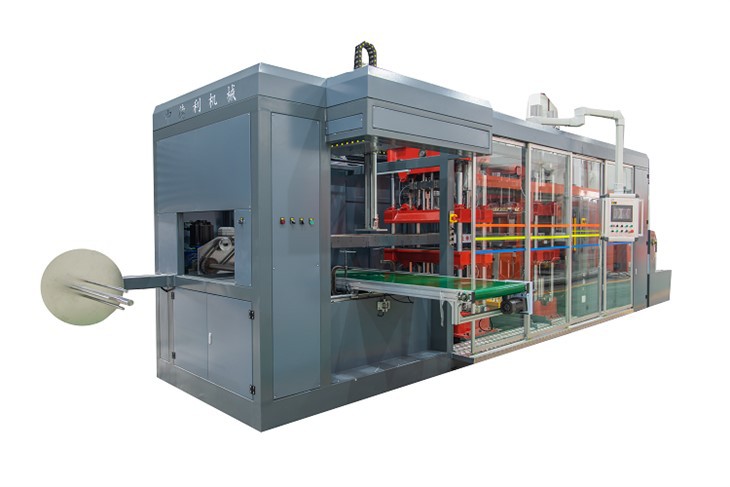
Adjusting the clamping force of the mold in a single working station plastic thermoforming machine is a crucial task that directly impacts the quality and efficiency of the thermoforming process. As a supplier of Single Working Station Plastic Thermoforming Machine, I understand the importance of this adjustment and am here to share some insights and practical tips.
Understanding the Role of Clamping Force in Plastic Thermoforming
Before delving into the adjustment process, it's essential to understand why clamping force matters in plastic thermoforming. The clamping force is the pressure applied to hold the mold closed during the thermoforming process. This force serves several critical functions:
- Sealing the Mold: It ensures a tight seal between the upper and lower halves of the mold, preventing plastic material from leaking out during the forming process.
- Forming Quality: Adequate clamping force is necessary to ensure that the plastic sheet conforms precisely to the mold cavity, resulting in accurate part dimensions and a high - quality surface finish.
- Safety: Proper clamping force keeps the mold securely in place, reducing the risk of mold displacement or ejection during operation, which could be dangerous for operators.
Factors Affecting Clamping Force Requirements
Several factors influence the required clamping force in a single working station plastic thermoforming machine:
- Mold Size and Complexity: Larger molds or those with complex geometries typically require higher clamping forces. This is because there is a greater surface area to seal, and more force is needed to ensure proper material flow into all areas of the mold.
- Plastic Material Properties: Different plastic materials have different flow characteristics and shrinkage rates. For example, materials with high viscosity may require more force to push them into the mold cavity, while materials with high shrinkage rates may need sufficient clamping force to maintain the shape during cooling.
- Forming Pressure: The pressure applied during the thermoforming process also affects the clamping force. Higher forming pressures require greater clamping force to counteract the forces trying to open the mold.
Steps to Adjust the Clamping Force
Step 1: Consult the Machine Manual
The first step in adjusting the clamping force is to refer to the machine's operation manual. The manual provides specific guidelines and recommended clamping force settings based on the machine's model and specifications. It may also include information on the maximum and minimum clamping force limits.
Step 2: Evaluate the Mold and Material
Assess the size, complexity of the mold, and the properties of the plastic material you are using. Based on this evaluation, make an initial estimate of the required clamping force. If you are using a new mold or material, it may be necessary to start with a conservative estimate and make adjustments as needed.
Step 3: Use the Clamping Force Adjustment Mechanism
Most single working station plastic thermoforming machines are equipped with a clamping force adjustment mechanism. This mechanism can be hydraulic, pneumatic, or mechanical, depending on the machine design.
- Hydraulic Systems: In hydraulic - operated machines, the clamping force is adjusted by changing the pressure in the hydraulic cylinders. This is typically done by adjusting the pressure relief valve or using a pressure - control device. Make small adjustments to the pressure and monitor the machine's performance.
- Pneumatic Systems: For pneumatic machines, the clamping force is controlled by adjusting the air pressure supplied to the pneumatic cylinders. Similar to hydraulic systems, make incremental adjustments and observe the results.
- Mechanical Systems: In some mechanical machines, the clamping force is adjusted by tightening or loosening mechanical fasteners, such as bolts or screws. Ensure that all fasteners are tightened evenly to prevent uneven clamping force distribution.
Step 4: Conduct Test Runs
After making an initial adjustment to the clamping force, conduct test runs using scrap plastic material. Inspect the formed parts for quality issues such as incomplete filling, flashing (excess plastic material around the part edges), or uneven wall thickness. If the parts show signs of insufficient clamping force, such as flashing, increase the clamping force slightly. If the parts are distorted or have excessive stress marks, the clamping force may be too high, and you should reduce it.

Step 5: Fine - Tune the Clamping Force
Based on the results of the test runs, continue to fine - tune the clamping force until the desired part quality is achieved. It may take several iterations of adjustment and testing to find the optimal clamping force for a particular mold and material combination.
Monitoring and Maintaining the Clamping Force
Once the optimal clamping force has been set, it's important to monitor and maintain it over time. Regularly check the clamping force adjustment mechanism for any signs of wear or damage. In hydraulic and pneumatic systems, monitor the pressure levels during operation and ensure that they remain within the specified range.
Also, keep an eye on the quality of the formed parts. Any sudden changes in part quality, such as increased flashing or dimensional variations, may indicate a change in the clamping force. If this occurs, re - evaluate and adjust the clamping force as necessary.
Importance of Proper Clamping Force in Different Thermoforming Applications
Proper clamping force adjustment is crucial in various thermoforming applications. For example, in the production of packaging containers using Plastic Thermoforming Equipment, accurate clamping force ensures that the containers have a consistent wall thickness and a tight seal, which is essential for product protection and shelf - life.
In the manufacturing of automotive interior parts, the right clamping force helps to achieve the required precision and surface finish, meeting the high - quality standards of the automotive industry.
Conclusion
Adjusting the clamping force of the mold in a single working station plastic thermoforming machine is a complex but essential process. By understanding the factors affecting clamping force requirements, following the proper adjustment steps, and monitoring the clamping force over time, you can ensure high - quality thermoformed parts and efficient machine operation.
As a supplier of Single Working Station Plastic Thermoforming Machine, we are committed to providing our customers with high - quality equipment and technical support. If you are interested in our products or have any questions about clamping force adjustment or other aspects of plastic thermoforming, please feel free to contact us for further discussions and procurement negotiations. We look forward to working with you to meet your thermoforming needs.
References
- “Plastic Thermoforming Handbook”, edited by James L. Throne, published by Hanser Gardner Publications.
- Technical documentation provided by the manufacturers of single working station plastic thermoforming machines.