

In the realm of plastic manufacturing, Multi Function Multi - Station Plastic Thermoforming Machines stand as a cornerstone technology, enabling the efficient production of a wide array of plastic products. These machines are engineered to perform multiple tasks across different stations, streamlining the thermoforming process from start to finish. A crucial aspect of these machines is their communication interfaces, which play a pivotal role in ensuring seamless operation, data exchange, and overall system integration. As a leading supplier of Multi Function Multi - Station Plastic Thermoforming Machines, I am excited to delve into the various communication interfaces available in these advanced pieces of equipment.
Ethernet Interface
One of the most prevalent communication interfaces found in modern Multi Function Multi - Station Plastic Thermoforming Machines is the Ethernet interface. Ethernet offers high - speed data transfer capabilities, making it ideal for real - time communication between different components of the machine, as well as with external systems such as supervisory control and data acquisition (SCADA) systems or enterprise resource planning (ERP) systems.
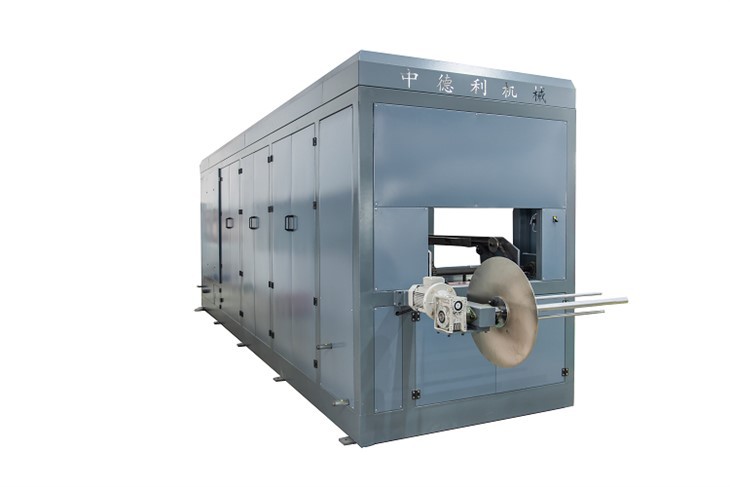

With an Ethernet interface, the thermoforming machine can send and receive large amounts of data quickly and reliably. For example, it can transmit production data, such as the number of products produced, cycle times, and machine status, to a central control room or a cloud - based server. This data can then be analyzed to optimize production processes, identify potential issues, and make informed decisions regarding maintenance and resource allocation.
Moreover, Ethernet enables remote monitoring and control of the thermoforming machine. Operators can access the machine's control system from anywhere in the world, as long as they have an internet connection. This feature is particularly useful for troubleshooting, software updates, and preventive maintenance. For instance, if a sensor on the machine detects an abnormal temperature, an alert can be sent to the operator's mobile device, and the operator can then remotely adjust the machine settings to prevent damage.
USB Interface
The Universal Serial Bus (USB) interface is another common communication interface in Multi Function Multi - Station Plastic Thermoforming Machines. USB is known for its simplicity and versatility, making it easy to connect external devices to the machine.
One of the primary uses of the USB interface is for data storage and transfer. Operators can use USB flash drives to transfer programs, recipes, and other important data to and from the machine. This is especially useful when setting up a new production run or when making changes to existing programs. For example, if a new product design requires different temperature and pressure settings, the operator can simply transfer the updated program from a USB drive to the machine.
In addition, USB interfaces can be used to connect peripheral devices such as printers, scanners, and barcode readers. Printers can be used to print production reports, labels, or other documentation, while scanners and barcode readers can be used for inventory management and quality control. For instance, a barcode reader can be used to scan the raw materials before they are loaded into the machine, ensuring that the correct materials are being used.
Serial Interface
Serial interfaces, such as RS - 232 and RS - 485, have been used in industrial equipment for many years and are still widely used in Multi Function Multi - Station Plastic Thermoforming Machines. These interfaces are relatively simple and reliable, making them suitable for applications where high - speed data transfer is not required.
RS - 232 is a single - ended communication interface that is commonly used for connecting the machine to a computer or other devices. It is often used for basic control and monitoring functions, such as sending commands to the machine and receiving status information. For example, an operator can use a computer with an RS - 232 interface to send a start or stop command to the thermoforming machine.
RS - 485, on the other hand, is a differential communication interface that allows for multiple devices to be connected in a network. It is more robust and can support longer cable lengths compared to RS - 232. RS - 485 is often used for connecting multiple sensors and actuators on the machine, enabling them to communicate with the control system. For example, temperature sensors, pressure sensors, and motor controllers can all be connected to the machine's control system using an RS - 485 network.
CAN Bus Interface
The Controller Area Network (CAN) bus interface is a popular choice for communication in automotive and industrial applications, and it is also finding its way into Multi Function Multi - Station Plastic Thermoforming Machines. CAN bus is a serial communication protocol that is designed to be reliable, efficient, and cost - effective.
One of the main advantages of the CAN bus interface is its ability to support multiple nodes on a single network. This means that multiple sensors, actuators, and control units can be connected to the CAN bus, allowing for seamless communication between different parts of the machine. For example, in a thermoforming machine, the CAN bus can be used to connect the heating elements, cooling fans, and the mold clamping system, enabling them to work together in a coordinated manner.
CAN bus also has built - in error detection and correction mechanisms, which ensure the integrity of the data being transmitted. This is particularly important in industrial environments where electromagnetic interference and other noise sources can affect the communication signals. If an error is detected, the CAN bus can automatically retransmit the data, ensuring that the machine operates smoothly and without interruptions.
Profibus Interface
Profibus is a fieldbus communication protocol that is widely used in industrial automation. It is designed to provide a high - speed, reliable communication link between different devices in a manufacturing environment.
In a Multi Function Multi - Station Plastic Thermoforming Machine, the Profibus interface can be used to connect the machine to other automation equipment, such as programmable logic controllers (PLCs), frequency converters, and human - machine interfaces (HMIs). This allows for centralized control and monitoring of the entire production line. For example, a PLC can be used to control the operation of the thermoforming machine based on the input from other devices on the production line, such as a conveyor belt or a packaging machine.
Profibus also supports a wide range of communication modes, including master - slave and peer - to - peer communication. This flexibility makes it suitable for different types of applications and system architectures. Additionally, Profibus has a high level of compatibility with other industrial standards, which makes it easier to integrate the thermoforming machine into existing automation systems.
Importance of Communication Interfaces in Multi Function Multi - Station Plastic Thermoforming Machines
The communication interfaces in Multi Function Multi - Station Plastic Thermoforming Machines are not just technical features; they are essential for the efficient and effective operation of the machine. These interfaces enable seamless data exchange between different components of the machine, as well as with external systems, which in turn leads to improved productivity, quality control, and maintenance.
By using high - speed communication interfaces such as Ethernet, the machine can provide real - time data to operators and managers, allowing them to make timely decisions. This can help to reduce downtime, increase production efficiency, and improve the overall quality of the plastic products. For example, if a machine is producing products with inconsistent thickness, the real - time data can be used to identify the root cause of the problem and make the necessary adjustments to the machine settings.
Communication interfaces also play a crucial role in the integration of the thermoforming machine into a larger production ecosystem. With the ability to connect to SCADA systems, ERP systems, and other automation equipment, the machine can be part of a fully automated production line. This not only streamlines the production process but also reduces the need for manual intervention, leading to cost savings and improved safety.
Conclusion
In conclusion, Multi Function Multi - Station Plastic Thermoforming Machines rely on a variety of communication interfaces to ensure their smooth operation and integration into the production environment. Ethernet, USB, serial interfaces, CAN bus, and Profibus are all important interfaces that offer different features and benefits.
As a supplier of Multi Function Multi - Station Plastic Thermoforming Machines, we understand the importance of these communication interfaces and ensure that our machines are equipped with the latest and most reliable interfaces. Our machines, such as the Multi-Station Plastic Thermoforming Boxes Production Machines, Three-station Plastic Thermoforming Machine, and Multi Station Food Containers Plastic Thermoforming Machine, are designed to provide high - performance and reliable communication capabilities to meet the diverse needs of our customers.
If you are interested in learning more about our Multi Function Multi - Station Plastic Thermoforming Machines or have any questions regarding the communication interfaces, please feel free to contact us. We are always ready to assist you in finding the best solution for your plastic manufacturing needs.
References
- "Industrial Communication Technology Handbook" by Hartmut Reinecke
- "Automation Technology for Manufacturing Systems" by David A. Dornfeld