

What is the cooling process like in a Three - station Plastic Thermoforming Machine?
As a supplier of Three - station Plastic Thermoforming Machines, I've witnessed firsthand the importance of the cooling process in this sophisticated piece of equipment. The cooling stage is a critical phase in the plastic thermoforming process, significantly influencing the quality, efficiency, and overall performance of the final products.
The Basics of Three - station Plastic Thermoforming
Before delving into the cooling process, it's essential to understand the fundamentals of a Three - station Plastic Thermoforming Machine. These machines are designed to perform three main operations: heating, forming, and trimming. In the first station, the plastic sheet is heated to a pliable state. Then, it moves to the second station, where it is formed into the desired shape using a mold. Finally, in the third station, the excess plastic is trimmed away, leaving behind the finished product. You can learn more about this type of machine by visiting our Three - station Plastic Thermoforming Machine page.
The Significance of Cooling
Cooling is a crucial step in the thermoforming process. After the plastic sheet is formed into the desired shape, it needs to be cooled rapidly and evenly to maintain its shape and structural integrity. If the cooling process is not properly managed, the plastic may warp, shrink unevenly, or develop other defects, which can compromise the quality of the final product. Additionally, efficient cooling can reduce cycle times, increasing the overall productivity of the machine.
The Cooling Process in Detail
The cooling process in a Three - station Plastic Thermoforming Machine typically involves several stages and methods, each playing a vital role in achieving optimal results.
Initial Cooling
Once the plastic sheet has been formed in the second station, it immediately begins to cool. The initial cooling is often achieved through natural convection, as the hot plastic releases heat into the surrounding air. However, this process is relatively slow and may not be sufficient to cool the plastic quickly enough, especially for thicker or more complex shapes. To accelerate the cooling process, many machines are equipped with fans or blowers that direct a stream of cool air over the formed plastic. This forced air cooling helps to remove heat from the surface of the plastic more rapidly, reducing the risk of deformation.

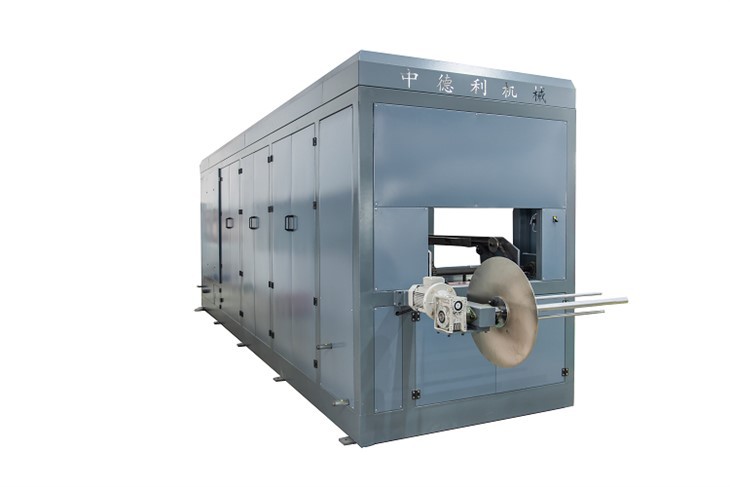
Mold Cooling
In addition to air cooling, the mold itself plays a crucial role in the cooling process. The mold is typically made of a material with good thermal conductivity, such as aluminum or copper, which allows it to absorb heat from the plastic quickly. Many molds are also designed with cooling channels that circulate a coolant, such as water or a refrigerant, through the mold. The coolant absorbs heat from the mold, which in turn cools the plastic in contact with it. This method of cooling is highly effective, as it allows for precise control of the cooling rate and temperature distribution across the mold surface. By adjusting the flow rate and temperature of the coolant, operators can optimize the cooling process to suit the specific requirements of the plastic material and the shape being formed.
Post - Forming Cooling
After the plastic has been removed from the mold in the third station, it may undergo additional cooling to ensure that it has fully set. This post - forming cooling can be achieved using a variety of methods, depending on the size and complexity of the product. For smaller parts, they may be placed on a cooling rack or conveyor belt where they are exposed to ambient air or forced air cooling. Larger or more complex parts may require more advanced cooling techniques, such as immersion in a cooling bath or the use of specialized cooling chambers.
Factors Affecting the Cooling Process
Several factors can influence the effectiveness of the cooling process in a Three - station Plastic Thermoforming Machine. These include:
Plastic Material
Different plastic materials have different thermal properties, such as heat capacity and thermal conductivity. These properties determine how quickly the plastic can absorb and release heat, which in turn affects the cooling time and the cooling methods required. For example, materials with high heat capacity require more energy to cool, while materials with low thermal conductivity may require longer cooling times or more aggressive cooling methods.
Product Thickness and Shape
The thickness and shape of the product also play a significant role in the cooling process. Thicker parts take longer to cool than thinner parts, as the heat needs to be transferred through a greater volume of material. Complex shapes may also present challenges, as they may have areas that are more difficult to cool evenly, leading to uneven cooling and potential defects.
Cooling System Design
The design of the cooling system, including the type and size of the fans, blowers, cooling channels, and coolant used, can have a significant impact on the cooling performance. A well - designed cooling system will be able to provide efficient and uniform cooling, reducing cycle times and improving product quality.
Optimizing the Cooling Process
To ensure the best possible results from the cooling process, it's essential to optimize the machine settings and cooling methods based on the specific requirements of the plastic material and the product being formed. Here are some tips for optimizing the cooling process:
Monitor and Control Temperature
Use temperature sensors to monitor the temperature of the plastic sheet, the mold, and the coolant. This will allow you to adjust the cooling settings as needed to maintain the desired temperature range and ensure uniform cooling.
Adjust Cooling Time
Depending on the thickness and shape of the product, you may need to adjust the cooling time to ensure that the plastic has fully set. This may require some trial and error, but with careful monitoring and adjustment, you can find the optimal cooling time for each product.
Maintain the Cooling System
Regular maintenance of the cooling system is essential to ensure its proper functioning. This includes cleaning the fans and blowers, checking the coolant levels and quality, and inspecting the cooling channels for blockages or leaks.
Conclusion
The cooling process in a Three - station Plastic Thermoforming Machine is a complex and critical stage that significantly impacts the quality and productivity of the thermoforming process. By understanding the different stages and methods of cooling, as well as the factors that affect cooling performance, you can optimize the cooling process to achieve the best possible results.
If you're interested in learning more about our Automatic Multi - Station Plastic Thermoforming Machine or Multi - Station Plastic Thermoforming Boxes Production Machines, or if you have any questions about the cooling process or other aspects of plastic thermoforming, please don't hesitate to contact us. We're here to help you find the best solutions for your plastic thermoforming needs.
References
- "Plastic Thermoforming Handbook" by James L. Throne
- "Thermoforming: Materials, Processes, and Applications" by John W. Goodship