

In the arena of plastic manufacturing, multi - station thermoforming machines reign supreme for mass - producing a variety of plastic products. Among the thermoforming techniques, vacuum and pressure thermoforming stand out as the two most commonly used methods. As a provider of Multi - Station Plastic Thermoforming Machines, I'm here to delve deep into the differences between these two techniques, helping you make an informed decision for your production needs.
1. The Basics of Thermoforming
Before jumping into the differences, it's essential to understand the fundamentals of thermoforming. Thermoforming is a manufacturing process where a plastic sheet is heated to a pliable forming temperature, then formed to a specific shape in a mold, and trimmed to create a usable product. A multi - station thermoforming machine streamlines this process by having different stations for heating, forming, trimming, etc., enabling continuous and efficient production.
2. Vacuum Thermoforming
Vacuum thermoforming is one of the most straightforward and widely - used thermoforming methods. In a multi - station vacuum thermoforming machine, the process unfolds as follows:
- Heating: The plastic sheet is first heated at a dedicated heating station until it reaches its thermoforming temperature. At this stage, the polymer chains in the plastic become more mobile, allowing the sheet to deform easily.
- Forming: Once heated, the plastic sheet is transferred to the forming station. Here, a mold is placed beneath the sheet, and a vacuum is applied through small holes in the mold. As the air between the sheet and the mold is removed, the atmospheric pressure presses the plastic sheet onto the mold, shaping it according to the mold's contours.
- Cooling and Trimming: After forming, the plastic part moves to the cooling station to solidify its shape. Once cooled, it proceeds to the trimming station where excess plastic is removed.
Vacuum thermoforming has several notable characteristics:
- Simple and Cost - Effective: The equipment required for vacuum thermoforming is relatively simple and less expensive compared to other methods. This makes it an attractive option for small - to - medium - scale production runs or for products with relatively simple geometries.
- Limited Detail and Depth: Due to the reliance on atmospheric pressure to form the plastic sheet, vacuum thermoforming has limitations when it comes to producing parts with deep draws or fine details. The atmospheric pressure may not be sufficient to force the plastic into all the nooks and crannies of a complex mold.
If you're interested in exploring machines for such applications, check out our Multi - Station Plastic Thermoforming Boxes Production Machines, which are well - suited for vacuum thermoforming of various box - like products.
3. Pressure Thermoforming
Pressure thermoforming takes the thermoforming process a step further by using additional pressure to shape the plastic sheet. In a multi - station pressure thermoforming machine, the general process steps are similar to vacuum thermoforming but with a significant difference in the forming stage:
- Heating: Just like in vacuum thermoforming, the plastic sheet is heated at the heating station to its malleable state.
- Forming: At the forming station, instead of relying solely on atmospheric pressure, an additional positive pressure is applied on the top side of the plastic sheet. This pressure can range from a few pounds per square inch (psi) to over 100 psi, depending on the requirements of the part. The combination of the positive pressure on top and the vacuum beneath the mold allows the plastic to conform more precisely to the mold's shape.
- Cooling and Trimming: After forming, the part goes through the cooling and trimming stations as usual to finalize the product.
The key features of pressure thermoforming are:
- High - Quality and Complex Parts: Pressure thermoforming can produce parts with higher levels of detail, deeper draws, and better surface finishes. The additional pressure ensures that the plastic fills every part of the mold, making it suitable for manufacturing products with intricate designs.
- Higher Cost and Complexity: The equipment for pressure thermoforming is more complex and expensive than that for vacuum thermoforming. It requires additional pressure - generating systems and more sophisticated controls. This also means that the operating costs, including energy consumption, are generally higher.
If you're in need of a machine capable of pressure thermoforming for high - end products, our Multi Function Multi - Station Plastic Thermoforming Machine offers the versatility and performance required for such applications.
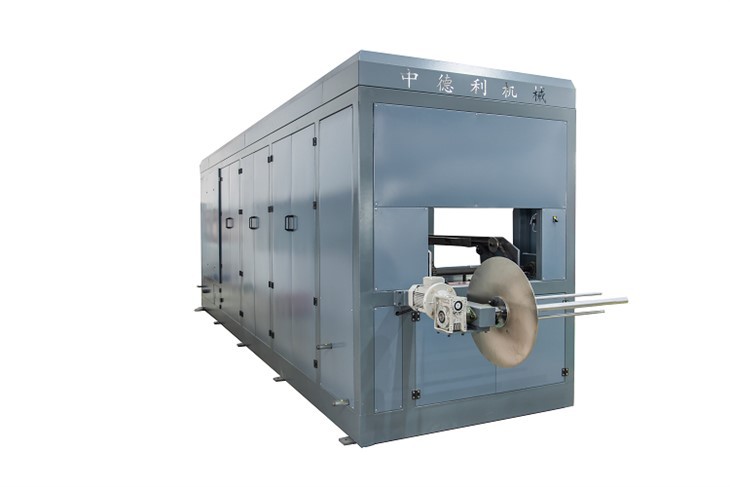

4. Comparison of Vacuum and Pressure Thermoforming in a Multi - Station Machine
4.1 Product Quality
- Surface Finish: Pressure thermoforming typically results in a smoother and more consistent surface finish. The additional pressure helps to eliminate air pockets and ensures that the plastic adheres tightly to the mold surface. In contrast, vacuum thermoforming may leave some minor surface imperfections, especially in areas where the plastic has to stretch more to conform to the mold.
- Detail and Precision: As mentioned earlier, pressure thermoforming can achieve much higher levels of detail and precision. It can reproduce fine textures, sharp edges, and complex geometries that would be challenging or impossible to achieve with vacuum thermoforming.
- Wall Thickness Distribution: Pressure thermoforming generally provides a more uniform wall thickness distribution across the part. The additional pressure helps to distribute the plastic more evenly in the mold, reducing the likelihood of thin or thick spots. In vacuum thermoforming, the wall thickness may vary more, especially in parts with deep draws or complex shapes.
4.2 Production Efficiency
- Cycle Time: The cycle time in vacuum thermoforming is usually shorter because the forming process relies on the relatively quick removal of air to shape the plastic. In pressure thermoforming, the application of additional pressure and the need to control it precisely can add some time to the forming cycle. However, for complex parts that would require multiple steps or secondary operations in vacuum thermoforming, pressure thermoforming can actually be more time - efficient overall.
- Tooling and Setup: Vacuum thermoforming molds are generally simpler and less expensive to manufacture. They also require less time for setup and adjustment. Pressure thermoforming molds need to be more robust to withstand the higher pressures, which increases the cost and time required for tooling.
4.3 Material Compatibility
- Vacuum Thermoforming: Vacuum thermoforming is suitable for a wide range of plastics, including polystyrene (PS), polyethylene (PE), polypropylene (PP), and acrylonitrile butadiene styrene (ABS). These plastics can be easily formed using atmospheric pressure and are commonly used in packaging, disposable products, and automotive interior parts.
- Pressure Thermoforming: In addition to the plastics used in vacuum thermoforming, pressure thermoforming can handle more rigid and high - performance plastics such as polycarbonate (PC) and acrylic. These materials require the additional pressure to form properly and are often used in applications where high strength, clarity, or heat resistance is required, such as electronic enclosures and display panels.
5. Choosing the Right Method for Your Business
When deciding between vacuum and pressure thermoforming for your multi - station machine, several factors need to be considered:
- Product Requirements: If your product requires high - precision, complex details, or a high - quality surface finish, pressure thermoforming is likely the better choice. For simpler products with less demanding specifications, vacuum thermoforming can meet your needs at a lower cost.
- Production Volume: For large - scale production runs, the higher initial investment in pressure thermoforming equipment may be justified by the improved product quality and potentially higher production efficiency. For small - to - medium - scale production, vacuum thermoforming offers a more cost - effective solution.
- Budget Constraints: Your budget will play a significant role in the decision - making process. Vacuum thermoforming has lower equipment costs, tooling costs, and operating costs, making it a more affordable option for businesses with limited financial resources.
Our Automatic Multi - Station Plastic Thermoforming Machine can be configured for both vacuum and pressure thermoforming, providing you with the flexibility to choose the most appropriate method for your specific production requirements.
6. Conclusion
In conclusion, both vacuum and pressure thermoforming have their own unique advantages and limitations in a multi - station plastic thermoforming machine. Understanding the differences between these two methods is crucial for selecting the right technology for your production needs. Whether you're producing simple packaging items or high - end consumer products, our range of multi - station thermoforming machines can offer the solution you're looking for.
If you're interested in learning more about our machines or discussing your specific thermoforming requirements, we invite you to reach out. Our team of experts is ready to assist you in making the best choice for your business and guiding you through the procurement process.
References
- Throne, J. L. (1996). Thermoforming. Carl Hanser Verlag.
- Osswald, T. A., & Menges, G. (2003). Materials Science of Polymers for Engineers. Hanser Gardner Publications.