

Yo, fellow industry peeps! I'm a supplier of Plastic Thermoforming Equipment, and today I wanna chat about the materials you can use with this cool gear. Plastic thermoforming is a super versatile process, and picking the right material is key to getting the best results for your projects.
1. Polystyrene (PS)
First up, we've got polystyrene. It's one of the most commonly used materials in plastic thermoforming. There are two main types: general-purpose polystyrene (GPPS) and high-impact polystyrene (HIPS).
GPPS is transparent, rigid, and has a high gloss finish. It's great for making things like disposable food containers, clear packaging for electronics, and toy parts. Because it's transparent, it allows the product inside to be easily visible, which is a huge plus for marketing purposes.
On the other hand, HIPS is more impact-resistant. It can withstand a bit of rough handling without cracking or breaking. You'll often see HIPS used in products like CD cases, cosmetic packaging, and automotive interior parts. With our High Speed Plastic Thermoforming Machine, you can quickly shape polystyrene into all sorts of useful items. This machine is designed to work at high speeds, so you can boost your production efficiency when dealing with polystyrene.

2. Polyethylene (PE)
Polyethylene is another popular choice. There are different densities of polyethylene, including low-density polyethylene (LDPE), linear low-density polyethylene (LLDPE), and high-density polyethylene (HDPE).
LDPE is flexible and has good chemical resistance. It's often used for making things like squeeze bottles, plastic bags, and flexible packaging. The flexibility of LDPE allows it to conform to different shapes easily during the thermoforming process.
LLDPE is similar to LDPE but has better tensile strength. It's commonly used in applications where you need a bit more durability, such as agricultural films and heavy-duty plastic bags.
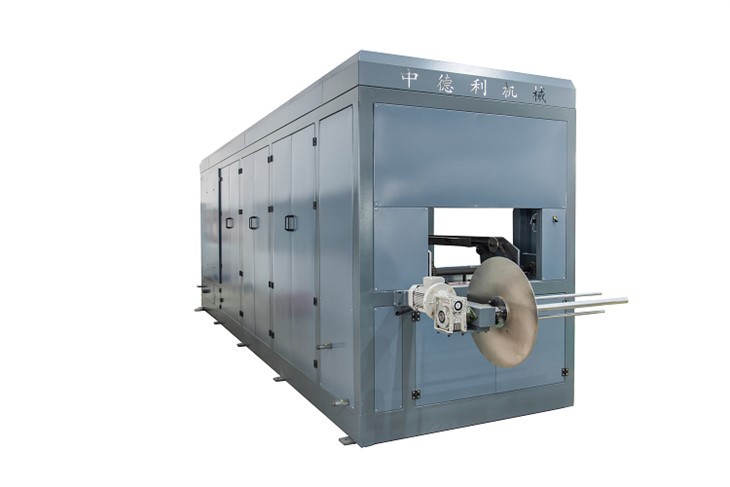
HDPE, on the other hand, is rigid and has high strength. You'll find HDPE in products like milk jugs, detergent bottles, and industrial containers. Our Single Working Station Plastic Thermoforming Machine is perfect for working with polyethylene. It provides precise control over the thermoforming process, ensuring that your polyethylene products come out just right.
3. Polypropylene (PP)
Polypropylene is known for its high melting point, good chemical resistance, and excellent fatigue resistance. It can be used in a wide range of applications, from food packaging to automotive components.
In the food industry, polypropylene is a popular choice for making microwave-safe containers and disposable cutlery. Its high melting point means it can withstand the heat of a microwave without deforming.
In the automotive sector, polypropylene is used to make parts like bumpers, interior trim, and battery cases. Our Fully Automatic Plastic Thermoforming Machine is well-suited for working with polypropylene. It automates the entire thermoforming process, from heating the plastic sheet to trimming the finished product, which can save you a lot of time and labor costs.
4. Polyvinyl Chloride (PVC)
PVC is a versatile material that can be either rigid or flexible, depending on the additives used. Rigid PVC is strong and has good weather resistance. It's commonly used in construction applications, such as window frames, pipes, and siding.
Flexible PVC, on the other hand, is soft and pliable. You'll often see it used in products like electrical insulation, medical tubing, and inflatable toys. When using PVC with our plastic thermoforming equipment, you need to be a bit careful because PVC can release harmful chemicals when heated. But with proper ventilation and safety measures, you can still achieve great results.
5. Acrylonitrile Butadiene Styrene (ABS)
ABS is a tough and impact-resistant material. It has a good balance of strength, stiffness, and heat resistance. You'll find ABS in a wide variety of products, including computer housings, automotive parts, and toys.
The combination of its strength and aesthetic appeal makes ABS a popular choice for products that need to look good and perform well. Our plastic thermoforming equipment can handle ABS with ease, allowing you to create high-quality ABS products efficiently.
6. Polycarbonate (PC)
Polycarbonate is known for its high impact resistance and optical clarity. It's often used in applications where transparency and strength are important, such as safety glasses, bulletproof windows, and electronic device screens.
Polycarbonate can withstand high temperatures without losing its shape or clarity. However, it can be a bit more expensive than some other plastics. But if you need a high-performance material, polycarbonate is definitely worth considering. Our equipment is designed to work with polycarbonate, ensuring that you can get the most out of this premium material.
Conclusion
As you can see, there are a lot of different materials you can use with plastic thermoforming equipment. Each material has its own unique properties and applications, so it's important to choose the right one for your specific project. Whether you're looking to make food containers, automotive parts, or consumer products, our plastic thermoforming equipment can help you get the job done.
If you're interested in learning more about our equipment or have any questions about which materials are best for your needs, don't hesitate to reach out. We're always here to help you find the perfect solution for your plastic thermoforming projects. Let's start a conversation and see how we can work together to boost your production and create amazing products!
References
- "Plastics Technology Handbook" by Myers, Charles L.
- "Thermoforming: A Practical Guide" by Throne, James L.