

Hey there! I'm an expert from a Plastic Thermoforming Machine supplier, and today I'm gonna chat with you about what plastics can be used in a thermoforming machine. Thermoforming is a pretty cool process where we heat a plastic sheet until it's soft and malleable, then shape it into the desired form using a mold. It's widely used in packaging, automotive, and many other industries. So, let's dive into the types of plastics that work well with thermoforming machines.
PVC (Polyvinyl Chloride)
PVC is one of the most commonly used plastics in thermoforming. It's tough, affordable, and can be easily colored. There are two main types of PVC: rigid and flexible. Rigid PVC is great for making things like signage, packaging for electronics, and medical equipment trays. It has good impact resistance and can be printed on easily. On the other hand, flexible PVC is used for products like shower curtains, inflatable toys, and some types of flexible packaging.
One of the reasons PVC works so well in thermoforming is its wide processing temperature range. It can be heated to the right temperature without decomposing, which makes it easy to control the forming process. However, it's important to note that during the production and disposal of PVC, it can release harmful chemicals like dioxins. So, proper handling and environmental precautions are a must.
PET (Polyethylene Terephthalate)
PET is another super popular plastic for thermoforming. You're probably very familiar with it because it's used to make beverage bottles. It's clear, lightweight, and has excellent barrier properties, which means it can keep food and drinks fresh for a long time.
In thermoforming, PET is often used to make food packaging containers, like clamshells for fruits and vegetables, and trays for ready - to - eat meals. It's also recyclable, which is a huge plus in today's eco - conscious world. The forming process of PET requires precise temperature control because it has a relatively narrow processing window. But when done right, it can produce high - quality, thin - walled packaging products. If you're interested in a machine that can handle PET well, check out our PP Pet Plastic Packaging Container Thermoforming Machine.
PP (Polypropylene)
PP is a versatile plastic that has a lot going for it in thermoforming. It's lightweight, has good chemical resistance, and is relatively inexpensive. PP is often used in the food industry for packaging items like yogurt cups, margarine tubs, and take - out containers.
One of the great things about PP is its high melting point, which allows it to withstand hot - filled foods without deforming. It also has good flexibility and impact resistance, making it suitable for products that need to withstand some handling. In addition, PP is recyclable, and its properties make it a sustainable choice for many applications. We offer a range of Plastic Thermoforming Equipment that can effectively process PP.
PS (Polystyrene)
Polystyrene comes in two forms: expanded (EPS) and high - impact (HIPS). Expanded polystyrene is what you see in coffee cups, packaging peanuts, and insulation materials. It's lightweight, has good thermal insulation properties, and is easy to thermoform into various shapes.

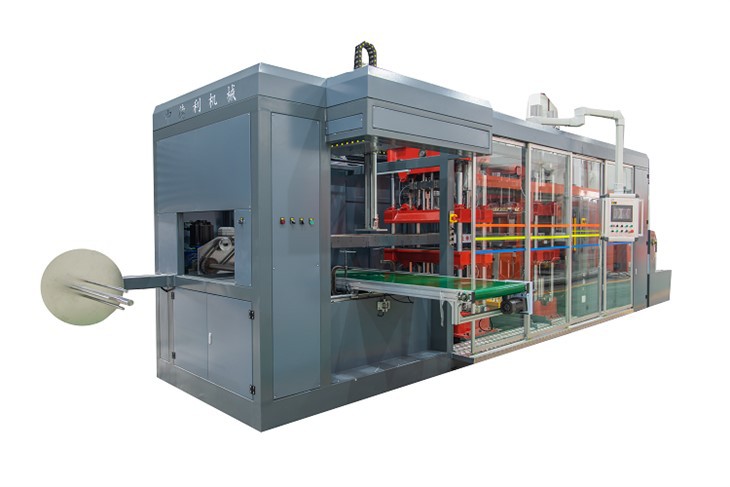
High - impact polystyrene (HIPS) is more rigid and has better impact resistance. It's used for products like CD cases, toy parts, and some types of packaging. PS is relatively easy to process in a thermoforming machine, but it has some environmental concerns. It's not very biodegradable, and there have been debates about its role in littering and pollution. However, some recycling programs are starting to deal with PS more effectively.
ABS (Acrylonitrile Butadiene Styrene)
ABS is a tough and durable plastic that combines the best properties of acrylonitrile, butadiene, and styrene. It's commonly used in the automotive industry for interior parts like dashboards and door panels, as well as in consumer electronics for housings of devices like laptops and smartphones.
In thermoforming, ABS can produce parts with high surface quality and dimensional stability. It has good impact resistance at low temperatures and is easy to paint and glue. However, it's a bit more expensive than some other plastics, so it's usually used for applications where high - performance is required. Our Single Working Station Plastic Thermoforming Machine can handle ABS with precision.
Factors to Consider When Choosing Plastics for Thermoforming
When deciding which plastic to use in a thermoforming machine, there are several factors to keep in mind.
Processing Temperature: Different plastics have different melting and processing temperatures. You need a machine that can accurately reach and maintain the right temperature for the plastic you're using. For example, PET has a relatively narrow processing window, so precise temperature control is crucial.
Mechanical Properties: Consider the strength, flexibility, and impact resistance required for your final product. If you're making a packaging container that will hold heavy items, you'll need a plastic with good strength. On the other hand, if it's a flexible product like a shower curtain, a more flexible plastic like PVC is a better choice.
Cost: The cost of the plastic is an important factor, especially for large - scale production. Some plastics like PP and PS are relatively inexpensive, while others like ABS are more costly. You need to balance cost with the performance requirements of your product.
Environmental Impact: In today's world, the environmental impact of your choice of plastic is becoming increasingly important. Look for recyclable plastics like PET and PP, and try to minimize the use of plastics that are difficult to recycle or that release harmful chemicals during production or disposal.
Conclusion
There are several types of plastics that can be used in a thermoforming machine, each with its own unique properties and applications. Whether you're looking to make food packaging, automotive parts, or consumer electronics housings, there's a plastic that can meet your needs. At our company, we're experts in providing high - quality thermoforming machines that can handle a wide range of plastics.
If you're in the market for a thermoforming machine or have questions about which plastic is best for your specific project, don't hesitate to reach out for a consultation. We're here to help you make the right choice and ensure the success of your thermoforming operations.
References
- "Thermoforming Handbook" by Thomas I. Butler
- Journal of Plastic Thermoforming Technology