

Disposable plastic cups are a common drinking tool, characterized by convenience, hygiene, and affordability, so the demand is high.
The equipment for producing plastic cups includes simple plastic cup molds and automated cup making machines. Some manufacturers may experience uneven surface when producing disposable plastic cups, which can affect the aesthetics and user experience of plastic cups, and may even lead to quality issues. So, what is the reason for this? How should we solve it?
Generally speaking, there are several reasons why the surface of disposable plastic cups is not smooth:
1. The quality of plastic raw materials is poor, containing impurities or moisture, which can cause bubbles or cracks during the molding of plastic cups.
2. The unreasonable proportion of plastic raw materials leads to uneven hardness or flexibility of the plastic cup, resulting in unevenness or wrinkles on the surface of the plastic cup.
3. The design of the plastic cup mold is unreasonable, resulting in stress or deformation during the molding of the plastic cup, resulting in marks or damage on the surface of the plastic cup.
4. The production process of plastic cups is unreasonable, resulting in improper temperature or pressure during the molding of plastic cups, resulting in fusion or shrinkage of the surface of the plastic cups.
5. The improper post-processing of plastic cups can cause friction or compression during cooling or packaging, resulting in scratches or deformation on the surface of the plastic cups.
There are several solutions to the surface roughness of disposable plastic cups produced for the above reasons:
1. Select good plastic raw materials and check if they are dry, free from foreign objects, and odors to ensure their purity and stability.
2. Mix plastic raw materials according to standard formulas and proportions to ensure that the physical and chemical properties of the plastic cup meet the requirements.
3. Design a reasonable plastic cup mold to ensure the accuracy and smoothness of the mold, and avoid wear and deformation of the mold.
4. Adopting reasonable production processes, controlling the molding temperature and pressure to ensure the quality and efficiency of plastic cup molding.
5. Adopting reasonable post-processing methods, timely cooling and packaging of plastic cups to avoid external influence and damage.
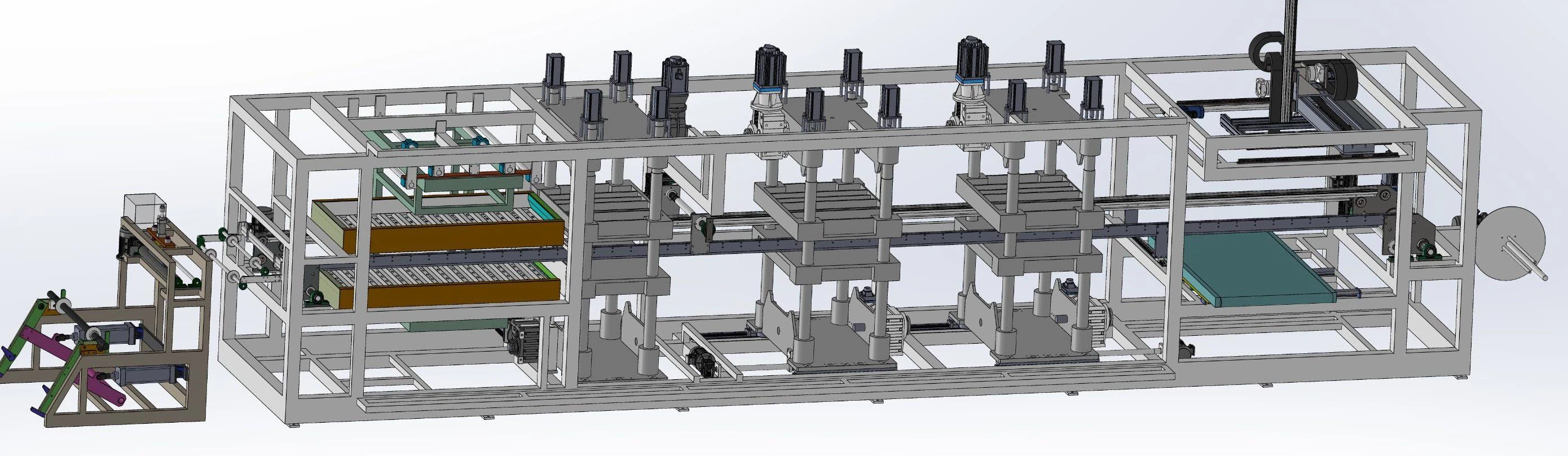
6. Use a fully automatic cup making machine to produce disposable plastic cups.
Knowledge
What to do if the surface of disposable plastic cups is not smooth during production
Jun 26, 2023
Leave a message
Send Inquiry