

Hey there! As a supplier of Plastic Thermoforming Equipment, I've seen firsthand how crucial it is to adjust the parameters of these machines correctly. Whether you're a newbie in the plastic thermoforming game or a seasoned pro looking to fine - tune your process, this blog is for you.
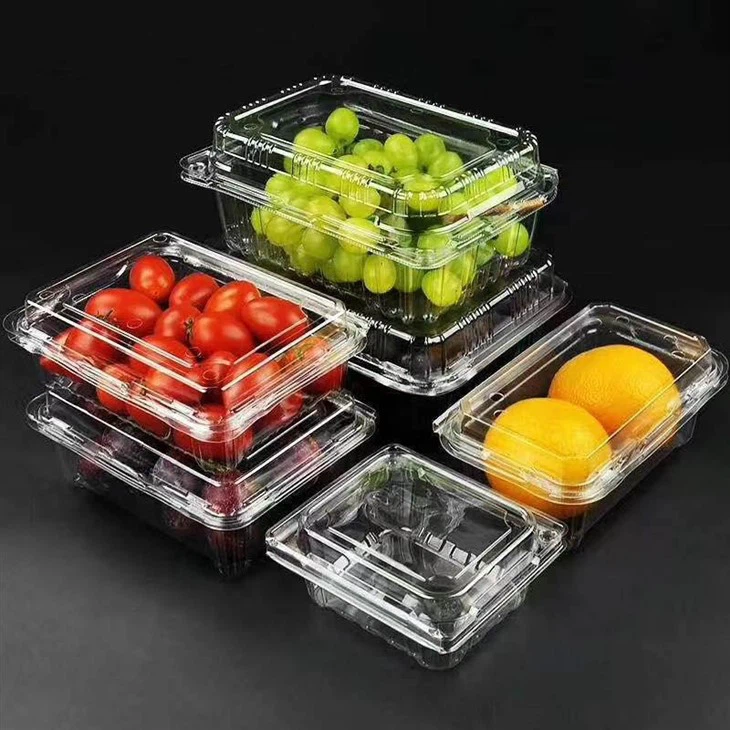
Let's start with the basics. Plastic thermoforming is a manufacturing process where a plastic sheet is heated to a pliable forming temperature, formed to a specific shape in a mold, and then trimmed to create a usable product. The parameters we need to adjust can be grouped into several categories: temperature, pressure, time, and speed.
Temperature
Temperature is one of the most critical parameters in plastic thermoforming. Different types of plastics have different melting points and forming temperatures. For example, polycarbonate has a relatively high forming temperature compared to polyethylene.
When adjusting the temperature, you first need to know the recommended temperature range for the plastic material you're using. Most plastic thermoforming equipment comes with a temperature control system. You can set the temperature on the control panel. Start by setting it at the lower end of the recommended range and then gradually increase it if needed.
If the temperature is too low, the plastic sheet won't be pliable enough to form properly. You might end up with a product that has wrinkles, uneven thickness, or doesn't fit the mold correctly. On the other hand, if the temperature is too high, the plastic can burn or degrade, resulting in a poor - quality product with a bad smell and reduced mechanical properties.
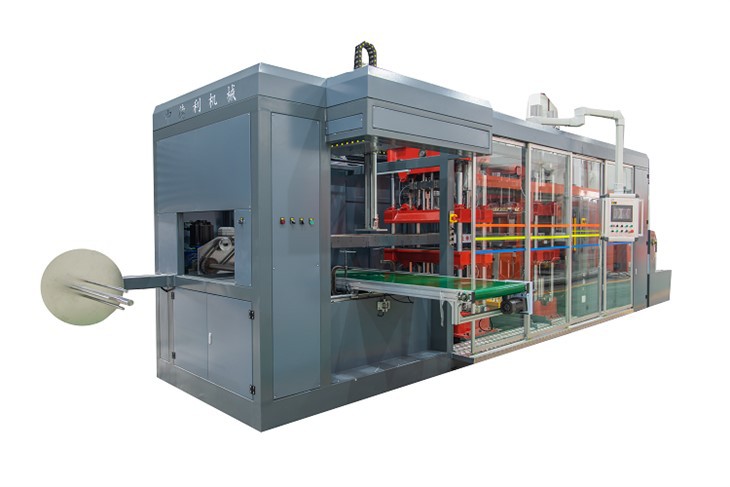
It's also important to ensure that the temperature is evenly distributed across the plastic sheet. Some high - end machines, like our High - Tech Plastic Thermoforming Machine, are designed with advanced heating systems to provide uniform heat distribution. You can also use temperature sensors to monitor the temperature at different points on the sheet during the heating process.
Pressure
Pressure plays a vital role in shaping the plastic sheet into the desired form. There are two main types of pressure involved in plastic thermoforming: vacuum pressure and air pressure.
Vacuum pressure is used to pull the heated plastic sheet onto the mold. When you turn on the vacuum system, it creates a negative pressure inside the mold, sucking the plastic sheet down. The strength of the vacuum pressure can be adjusted on the machine's control panel. If the vacuum pressure is too low, the plastic sheet may not fully conform to the mold, resulting in a product with incomplete details. If it's too high, it can cause the plastic to stretch too much in some areas, leading to thin spots or even tearing.
Air pressure, on the other hand, is sometimes used to assist in the forming process. For example, in some cases, you can use positive air pressure to blow the plastic sheet into the mold. The air pressure setting should be carefully adjusted according to the complexity of the mold and the type of plastic.
Our High Speed Plastic Thermoforming Machine has a precise pressure control system that allows you to fine - tune both vacuum and air pressure for optimal results.
Time
Time is another key parameter. There are several time - related factors in plastic thermoforming, including heating time, forming time, and cooling time.
Heating time refers to how long the plastic sheet is exposed to heat. If the heating time is too short, the plastic won't reach the proper forming temperature. If it's too long, as mentioned before, the plastic can degrade. You need to find the right balance based on the thickness of the plastic sheet and the heating power of the machine.
Forming time is the duration during which the plastic is being shaped in the mold. It depends on the complexity of the mold and the type of plastic. For simple molds, the forming time can be relatively short. But for complex molds with detailed features, you may need to extend the forming time to ensure the plastic fully conforms to the mold.
Cooling time is essential to solidify the plastic in its new shape. If you remove the product from the mold too soon, it can deform. The cooling time can be adjusted by controlling the flow rate of the cooling medium (usually water or air) in the cooling system of the machine.
Speed
The speed of the plastic thermoforming process can also affect the quality of the final product. There are two main speeds to consider: the speed of the plastic sheet feeding and the speed of the machine's operation cycle.
The speed of the plastic sheet feeding should be consistent. If it's too fast, the plastic sheet may not be heated evenly. If it's too slow, it can reduce the production efficiency. You can adjust the feeding speed on the machine's control panel.
The speed of the operation cycle includes the time it takes for the machine to complete one full cycle of heating, forming, cooling, and trimming. A faster operation cycle can increase production output, but you need to make sure that all the other parameters are still within the optimal range. Our Single Working Station Plastic Thermoforming Machine allows you to adjust the operation cycle speed according to your production requirements.
Tips for Parameter Adjustment
- Start with the manufacturer's recommendations: Every plastic thermoforming machine comes with a user manual that provides recommended parameter settings for different types of plastics. Start with these settings and then make small adjustments based on your actual production experience.
- Keep records: Record the parameter settings and the quality of the products for each production run. This will help you identify the optimal settings for different products and plastics over time.
- Conduct test runs: Before starting a large - scale production, do some test runs with different parameter settings. This way, you can find the best settings for your specific product and avoid costly mistakes.
In conclusion, adjusting the parameters of plastic thermoforming equipment is a combination of science and art. It requires a good understanding of the plastic materials, the machine's capabilities, and some hands - on experience. If you're having trouble adjusting the parameters or need more information about our plastic thermoforming equipment, don't hesitate to reach out. We're here to help you optimize your production process and get the best - quality products. Whether you're looking for a high - speed machine, a single - working - station machine, or a high - tech one, we have the right solution for you. Contact us today to start a fruitful discussion about your plastic thermoforming needs!
References
- "Plastic Thermoforming Handbook" - A comprehensive guide on plastic thermoforming processes and equipment.
- Industry research reports on plastic thermoforming technology advancements.