

As a supplier of Fully Automatic Plastic Thermoforming Machine, I've witnessed firsthand how the quality of plastic raw materials can significantly impact the performance of these machines. In this blog post, I'll delve into the various aspects of this relationship, exploring the ways in which raw material quality affects the functionality, efficiency, and output of fully automatic plastic thermoforming machines.
Understanding Plastic Thermoforming
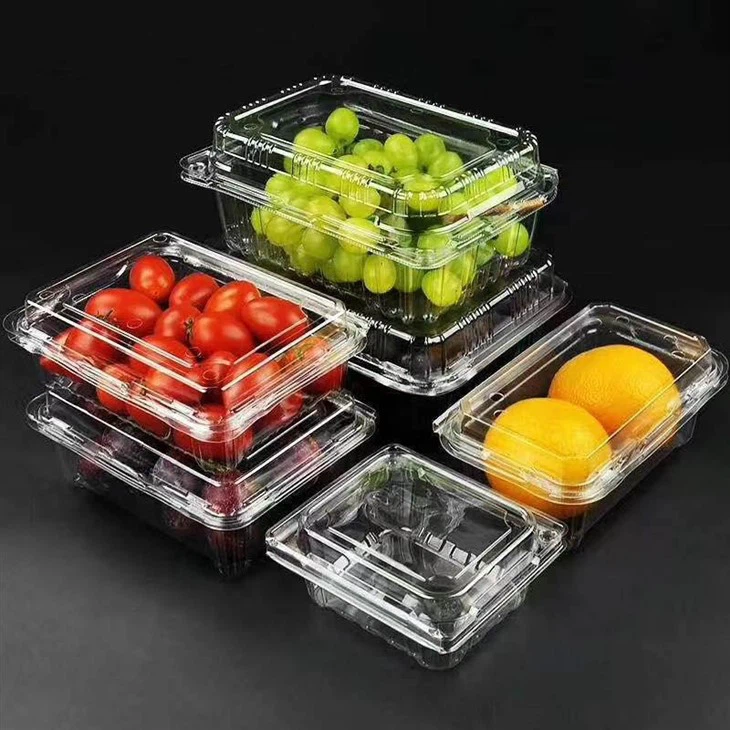
Before we discuss the impact of raw material quality, it's essential to understand the basic principles of plastic thermoforming. Thermoforming is a manufacturing process where a plastic sheet is heated to a pliable forming temperature, formed to a specific shape in a mold, and then trimmed to create a usable product. Fully automatic plastic thermoforming machines streamline this process, automating tasks such as sheet feeding, heating, forming, and trimming. These machines are widely used in industries such as packaging, automotive, and consumer goods to produce a variety of products, including trays, containers, and automotive interior parts.
Impact on Machine Functionality
The quality of plastic raw materials can have a profound impact on the functionality of a fully automatic plastic thermoforming machine. Inferior raw materials may contain impurities, inconsistent thickness, or poor thermal properties, which can lead to several issues during the thermoforming process.

Heating and Melting
One of the critical stages in thermoforming is heating the plastic sheet to its forming temperature. High-quality plastic raw materials have consistent thermal properties, which means they heat and melt evenly across the sheet. This allows for precise control of the forming process, resulting in uniform products with accurate dimensions. On the other hand, low-quality materials may have uneven thickness or thermal conductivity, causing some areas of the sheet to heat faster than others. This can lead to uneven forming, warping, or even burning of the plastic, affecting the quality of the final product and potentially damaging the machine.
Forming and Molding
During the forming stage, the heated plastic sheet is pressed into a mold to take on the desired shape. The quality of the raw material plays a crucial role in how well the plastic conforms to the mold. High-quality plastics have good flow properties, allowing them to fill the mold cavities completely and evenly. They also have sufficient strength and flexibility to maintain their shape after forming. In contrast, low-quality materials may not flow properly, resulting in incomplete filling of the mold, thin walls, or surface defects. These issues can lead to product rejects and increased downtime for cleaning and maintenance of the machine.
Trimming and Cutting
After the plastic has been formed, it needs to be trimmed to remove excess material and separate the individual products. The quality of the raw material can affect the ease and accuracy of the trimming process. High-quality plastics have consistent hardness and toughness, making them easier to cut and trim cleanly. They also produce less dust and debris during trimming, which helps to keep the machine and work area clean. Low-quality materials, on the other hand, may be brittle or sticky, causing the trimming blades to wear out quickly or resulting in rough edges and uneven cuts.
Impact on Machine Efficiency
In addition to affecting functionality, the quality of plastic raw materials can also impact the efficiency of a fully automatic plastic thermoforming machine.
Cycle Time
Cycle time is the time it takes for the machine to complete one full cycle of the thermoforming process, from sheet feeding to product ejection. High-quality raw materials can help to reduce cycle time by allowing for faster heating, forming, and cooling. They also require less time for troubleshooting and adjustment, as they are less likely to cause problems during the process. This means that the machine can produce more products in a given period, increasing productivity and reducing production costs.
Energy Consumption
The energy consumption of a thermoforming machine is primarily determined by the heating and cooling requirements of the plastic raw material. High-quality plastics with good thermal properties require less energy to heat and cool, as they heat up and cool down more quickly. This not only reduces energy costs but also helps to extend the lifespan of the heating and cooling components of the machine. In contrast, low-quality materials may require more energy to reach the forming temperature and may take longer to cool, resulting in higher energy consumption and increased wear and tear on the machine.
Maintenance and Downtime
Using low-quality plastic raw materials can increase the frequency and duration of machine maintenance and downtime. Impurities in the raw material can cause clogging of the heating elements, nozzles, and other components, requiring frequent cleaning and replacement. In addition, uneven forming and trimming can put additional stress on the machine's mechanical parts, leading to premature wear and failure. By using high-quality raw materials, these issues can be minimized, reducing maintenance costs and maximizing machine uptime.
Impact on Product Quality
Ultimately, the quality of the plastic raw material has a direct impact on the quality of the final product.
Appearance
High-quality plastics produce products with a smooth, glossy surface finish and consistent color. They are free from defects such as bubbles, streaks, and discoloration, which can affect the aesthetic appeal of the product. In contrast, low-quality materials may result in products with a rough, dull surface, visible impurities, or inconsistent color, which can reduce the marketability of the product.
Strength and Durability
The strength and durability of a plastic product are determined by the quality of the raw material and the thermoforming process. High-quality plastics have good mechanical properties, such as high tensile strength, impact resistance, and flexibility. They can withstand the rigors of handling, transportation, and use without breaking or deforming. Low-quality materials, on the other hand, may be weak and brittle, making them prone to cracking, breaking, or warping under stress.
Chemical Resistance
In some applications, such as food packaging and medical devices, the plastic product needs to have good chemical resistance to prevent contamination or degradation. High-quality plastics are formulated to resist a wide range of chemicals, ensuring the safety and integrity of the product. Low-quality materials may not have the same level of chemical resistance, which can pose a risk to the end-user.
Conclusion
In conclusion, the quality of plastic raw materials has a significant impact on the performance of a fully automatic plastic thermoforming machine. From machine functionality and efficiency to product quality, using high-quality raw materials is essential for achieving optimal results. As a supplier of Fully Automatic Plastic Thermoforming Machine, I recommend working closely with your raw material supplier to ensure that you are using the best possible materials for your specific application. By investing in high-quality raw materials, you can improve the performance of your machine, increase productivity, and produce high-quality products that meet the needs of your customers.
If you're interested in learning more about our Fully Automatic Plastic Thermoforming Machine, High Speed Plastic Thermoforming Machine, or High - Tech Plastic Thermoforming Machine, please feel free to contact us for a detailed discussion. We're here to help you find the best solution for your plastic thermoforming needs.
References
- "Plastic Thermoforming Handbook" by Paul M. Hornbaker
- "Thermoforming Technology" by Robert W. Ross
- Industry reports and studies on plastic thermoforming and raw material quality