

As a provider of Fully Automatic Plastic Thermoforming Machines, I often receive inquiries from customers about the installation environment requirements for these machines. A proper installation environment is crucial for the optimal performance, longevity, and safety of the thermoforming equipment. In this blog, I will elaborate on the key factors that need to be considered when setting up a fully automatic plastic thermoforming machine.
1. Space Requirements
The first and most obvious requirement is adequate space. A fully automatic plastic thermoforming machine is a large - scale piece of industrial equipment, and it needs sufficient room for installation, operation, and maintenance.
- Machine Footprint: Before installation, carefully check the machine's footprint dimensions provided in the product manual. For example, some high - end High - Tech Plastic Thermoforming Machine models are relatively large due to their advanced features, such as multi - station forming and high - speed cutting systems. You should leave at least 1 - 2 meters of clearance around the machine to allow for easy access for operators and maintenance personnel.
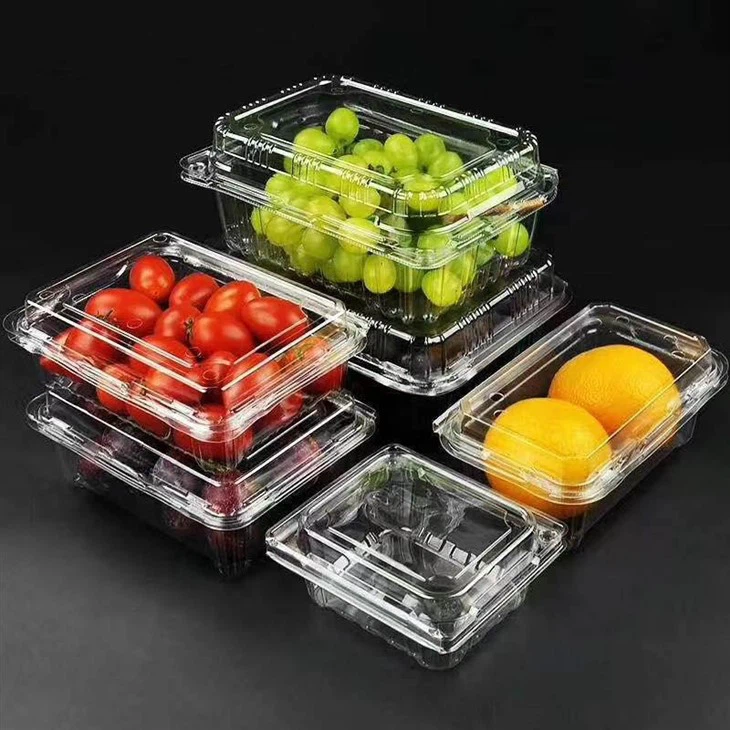
- Loading and Unloading Areas: In addition to the machine's footprint, dedicated areas for loading raw plastic sheets and unloading finished products are necessary. These areas should be adjacent to the machine and have enough space to store a reasonable quantity of materials and products. For instance, if you are using a PP Pet Plastic Packaging Container Thermoforming Machine to produce large - volume packaging containers, you need to ensure that the loading area can accommodate large rolls of PP or PET plastic sheets, and the unloading area can hold a stack of finished containers without causing congestion.
2. Power Supply
A stable and appropriate power supply is essential for the normal operation of a fully automatic plastic thermoforming machine.
- Voltage and Frequency: Different models of thermoforming machines may have different voltage and frequency requirements. Most machines in the market operate at standard industrial voltages, such as 380V in three - phase systems. It is crucial to ensure that the power supply at the installation site matches the machine's specifications. Any deviation in voltage or frequency can lead to unstable operation, reduced performance, or even damage to the machine's electrical components.
- Power Capacity: The power consumption of a fully automatic plastic thermoforming machine can be significant, especially during the heating and forming processes. You need to calculate the total power requirements of the machine, including the heating elements, motors, and control systems. Make sure that the electrical circuit at the installation site can provide enough power without overloading. It is advisable to consult an electrician to conduct a power load assessment before installation.
3. Ventilation and Exhaust
During the plastic thermoforming process, a large amount of heat is generated, and some volatile organic compounds (VOCs) may be released. Therefore, proper ventilation and exhaust systems are required.
- Heat Dissipation: The heating elements in the thermoforming machine can reach high temperatures, and effective heat dissipation is necessary to prevent overheating. A well - designed ventilation system can help remove the heat from the machine and the surrounding environment. This can be achieved through the installation of fans, air ducts, or air - conditioning units. The ventilation rate should be sufficient to maintain a stable temperature around the machine, usually within the range specified by the manufacturer.
- Exhaust of VOCs: When plastic sheets are heated and formed, some VOCs may be released, which can be harmful to human health and the environment. An exhaust system should be installed to capture and remove these pollutants. The exhaust system should be connected to the machine's exhaust ports and lead the pollutants outside the building. It is important to comply with local environmental regulations regarding the emission of VOCs.
4. Flooring and Leveling
The flooring at the installation site plays an important role in the stability and performance of the thermoforming machine.
- Load - Bearing Capacity: A fully automatic plastic thermoforming machine is heavy, and the flooring must be able to support its weight. Concrete floors are usually the best choice due to their high load - bearing capacity. Before installation, you need to check the floor's load - bearing capacity and ensure that it meets the machine's requirements. If the floor is not strong enough, additional reinforcement may be required.
- Leveling: The machine must be installed on a level surface to ensure accurate forming and cutting operations. Even a slight tilt can cause uneven pressure distribution during the forming process, resulting in defective products. Use a spirit level to check the flatness of the floor, and if necessary, use shims or leveling feet to adjust the machine's position until it is perfectly level.
5. Temperature and Humidity Control
The temperature and humidity of the installation environment can also affect the performance of the thermoforming machine and the quality of the finished products.
- Temperature: Plastic materials have different physical properties at different temperatures. Extreme temperatures can cause the plastic sheets to become too brittle or too soft, affecting the forming process. The ideal temperature range for most plastic thermoforming operations is between 20°C and 30°C. You may need to install heating or cooling systems to maintain a stable temperature within this range.
- Humidity: High humidity can cause moisture to accumulate on the plastic sheets and the machine's components, which can lead to rust, corrosion, and poor adhesion during the forming process. The relative humidity at the installation site should be kept between 40% and 60%. Dehumidifiers or humidifiers can be used to adjust the humidity level as needed.
6. Cleanliness and Dust Control
A clean environment is essential for the smooth operation of a fully automatic plastic thermoforming machine.
- Dust and Debris: Dust and debris can enter the machine's moving parts and electrical components, causing wear and tear, and affecting the machine's performance. Regular cleaning of the installation site is necessary to remove dust and debris. You can use vacuum cleaners, brooms, and mops to keep the area clean.
- Particulate Filters: Installing particulate filters in the ventilation system can help prevent dust and other small particles from entering the machine. These filters should be regularly replaced or cleaned to ensure their effectiveness.
Conclusion
In summary, a suitable installation environment is crucial for the proper functioning of a fully automatic plastic thermoforming machine. By considering the space requirements, power supply, ventilation and exhaust, flooring and leveling, temperature and humidity control, and cleanliness, you can ensure that the machine operates efficiently and produces high - quality products.

If you are interested in our Fully Automatic Plastic Thermoforming Machine or have any questions about its installation and operation, please feel free to contact us for further discussion and procurement negotiation. We are committed to providing you with the best solutions and support.
References
- Manufacturer's product manuals for fully automatic plastic thermoforming machines.
- Industry standards and guidelines for industrial equipment installation.
- Local environmental and safety regulations.