

Hey there! As a supplier of plastic thermoforming machines, I've seen firsthand how crucial control systems are in these nifty contraptions. So, let's dig into what exactly the role of the control system is in a plastic thermoforming machine.
First off, let's get a quick understanding of what plastic thermoforming is. It's a manufacturing process where a plastic sheet is heated until it's soft and malleable. Then, it's shaped into a specific form using a mold, usually by applying vacuum or pressure. This process is used to make all sorts of stuff, from packaging containers to automotive parts.
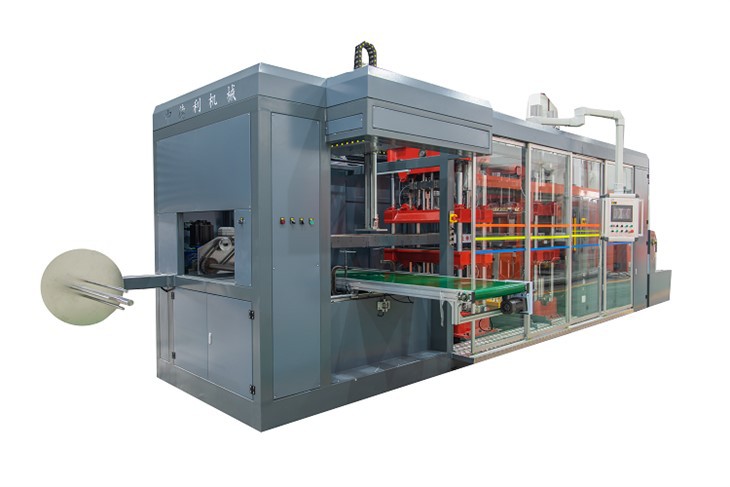
Now, the control system in a plastic thermoforming machine is like the brain of the operation. It's what keeps everything running smoothly and ensures that the final product meets the desired specifications.
Temperature Control
One of the most critical functions of the control system is temperature regulation. The plastic sheet needs to be heated to a precise temperature range for successful thermoforming. If the temperature is too low, the plastic won't be soft enough to shape properly. On the other hand, if it's too high, the plastic may warp, burn, or develop other defects.
The control system uses sensors to monitor the temperature of the heating elements and the plastic sheet itself. Based on the data from these sensors, it adjusts the power supplied to the heaters to maintain the optimal temperature. This constant monitoring and adjustment are essential for producing high - quality thermoformed parts consistently. For example, in our High - Tech Plastic Thermoforming Machine, the advanced control system ensures that the temperature is maintained within a very narrow margin, resulting in precise and defect - free products.
Pressure and Vacuum Control
Another vital aspect of thermoforming is applying the right amount of pressure or vacuum to shape the plastic sheet into the mold. The control system manages this process by regulating the pressure pumps and vacuum systems.
When using pressure thermoforming, the control system controls the pressure application precisely. It determines when to start applying pressure, how much pressure to use, and for how long. This is crucial because incorrect pressure can lead to improper filling of the mold, resulting in products with thin or thick spots.
In vacuum thermoforming, the control system manages the evacuation of air from the mold. It ensures that the vacuum is strong enough to pull the plastic sheet tightly against the mold but not so strong that it damages the plastic. Our High Speed Plastic Thermoforming Machine features a state - of - the - art control system that can adjust the pressure and vacuum settings on - the - fly, allowing for rapid production without sacrificing quality.
Timing and Synchronization
Timing is everything in a plastic thermoforming machine. The control system coordinates the different stages of the thermoforming process, such as heating, forming, cooling, and ejection. Each stage has a specific time requirement, and any deviation can affect the quality of the final product.
For instance, the heating time needs to be just right to ensure the plastic reaches the correct temperature. After forming, the cooling time is crucial to solidify the plastic into the desired shape. The control system ensures that all these processes are synchronized perfectly, so the machine operates efficiently and produces consistent results. In our Single Working Station Plastic Thermoforming Machine, the control system precisely manages the timing of each operation, making it easy to produce high - quality parts even in a single - station setup.
Quality Control and Monitoring
The control system also plays a big role in quality control. It continuously monitors various parameters, such as temperature, pressure, and cycle times, and can detect any deviations from the set standards. If a problem is detected, the control system can take corrective actions, such as adjusting the process parameters or shutting down the machine to prevent the production of defective parts.
This real - time monitoring and control are essential for maintaining high - quality production. It also provides valuable data that can be used for process optimization and troubleshooting. The control system can generate reports and alerts, making it easier for operators to keep track of the machine's performance and address any issues promptly.
Automation and Productivity
Modern plastic thermoforming control systems are highly automated, which significantly improves productivity. They can store multiple sets of process parameters for different products, allowing for quick changeovers between jobs. Operators can simply select the appropriate program, and the control system will adjust all the settings accordingly.
This automation reduces the need for manual intervention and minimizes the risk of human error. It also enables the machine to run continuously for long periods, increasing production output. Our advanced control systems make it easy for manufacturers to produce a wide range of products efficiently, whether they're small - batch runs or high - volume production.
Compatibility and Integration
The control system in a plastic thermoforming machine needs to be compatible with other components of the machine, such as the heating elements, pressure pumps, and conveyor systems. It also needs to integrate seamlessly with any external equipment, such as robots for part handling or inspection systems.
A well - designed control system can communicate with these other devices effectively, ensuring smooth operation and coordinated action. This compatibility and integration are essential for creating a fully automated production line, which can further enhance productivity and quality.

Maintenance and Troubleshooting
The control system also helps with maintenance and troubleshooting. It can monitor the performance of various components and detect early signs of wear or malfunction. For example, it can track the number of cycles a particular part has completed or measure the power consumption of a motor.
Based on this data, the control system can generate maintenance schedules and alerts, notifying operators when a component needs to be serviced or replaced. In case of a breakdown, the control system can provide diagnostic information, making it easier for technicians to identify and fix the problem quickly.
In conclusion, the control system is the heart and soul of a plastic thermoforming machine. It ensures precise temperature control, accurate pressure and vacuum regulation, proper timing and synchronization, high - quality production, and increased productivity. At [Company Name], we're proud to offer plastic thermoforming machines equipped with cutting - edge control systems that provide all these benefits and more.
If you're in the market for a plastic thermoforming machine, I encourage you to reach out to us. Our team of experts can help you choose the right machine for your specific needs and provide you with all the support you need to get the most out of it. Contact us to start a conversation about your thermoforming requirements and let's work together to take your production to the next level.
References
- Smith, J. (2020). Plastic Thermoforming Technology. Manufacturing Press.
- Johnson, A. (2019). Control Systems in Industrial Machinery. Automation Journal.