

Plastic thermoforming is a highly versatile manufacturing process used across a wide range of industries, from packaging to automotive and consumer goods. As a leading supplier of Plastic Thermoforming Equipment, we often receive inquiries about the thickness range of plastic sheets that our machines can process. Understanding this range is crucial for businesses looking to optimize their production processes and achieve the best results. In this blog post, we will delve into the details of the thickness range of plastic sheets that our plastic thermoforming equipment can handle, the factors that influence this range, and how it impacts different applications.
General Thickness Range
Our plastic thermoforming equipment is designed to process plastic sheets within a broad thickness range. Generally, we can handle plastic sheets with a thickness starting from as thin as 0.1 mm up to 10 mm. This wide range allows for great flexibility in terms of the types of products that can be manufactured.
For very thin plastic sheets, typically in the range of 0.1 - 0.5 mm, our machines are capable of producing delicate and lightweight products such as blister packs for pharmaceuticals, electronics components, and small consumer items. These thin sheets are often made from materials like PVC (Polyvinyl Chloride), PET (Polyethylene Terephthalate), and PS (Polystyrene). The High - Tech Plastic Thermoforming Machine is particularly well - suited for working with these thin sheets, as it offers precise temperature control and high - speed forming capabilities, ensuring consistent quality in the final products.
On the other end of the spectrum, when dealing with thicker plastic sheets in the range of 5 - 10 mm, our equipment can create more robust and durable products. Examples include automotive interior parts, industrial enclosures, and large - scale packaging containers. Materials such as ABS (Acrylonitrile Butadiene Styrene), HDPE (High - Density Polyethylene), and polycarbonate are commonly used for these thicker sheets. The Fully Automatic Plastic Thermoforming Machine is ideal for processing these thicker materials, as it has the power and stability to handle the increased weight and resistance during the forming process.
Factors Influencing the Thickness Range
Several factors influence the thickness range that our plastic thermoforming equipment can process. These factors need to be carefully considered to ensure optimal performance and product quality.
Material Properties
Different plastic materials have different physical and chemical properties, which directly affect their formability at various thicknesses. For example, materials with high melt flow indices are generally easier to form at thinner thicknesses, as they can flow more readily under heat and pressure. On the other hand, materials with high stiffness and strength, such as polycarbonate, can be formed into thicker sheets but may require more precise temperature and pressure control during the thermoforming process.
Machine Capabilities
The design and specifications of our thermoforming machines play a crucial role in determining the thickness range. Machines with more powerful heating elements can heat thicker sheets more effectively, allowing for the processing of larger - gauge plastics. Similarly, machines with stronger clamping systems can handle the increased forces required to form thicker sheets without deformation. Our PP Pet Plastic Packaging Container Thermoforming Machine is engineered with advanced heating and clamping technologies, enabling it to process a wide range of plastic sheet thicknesses with high precision.
Product Design
The complexity of the product design also affects the thickness range that can be used. Products with intricate details and sharp corners may require thinner sheets to ensure proper forming and accurate replication of the design. In contrast, products with simple and smooth shapes can often be formed from thicker sheets. When designing a product, it is essential to work closely with our technical team to determine the most suitable plastic sheet thickness based on the design requirements.
Impact on Different Applications
The thickness of the plastic sheet used in thermoforming has a significant impact on the performance and functionality of the final product, as well as the overall production process.
Packaging Applications
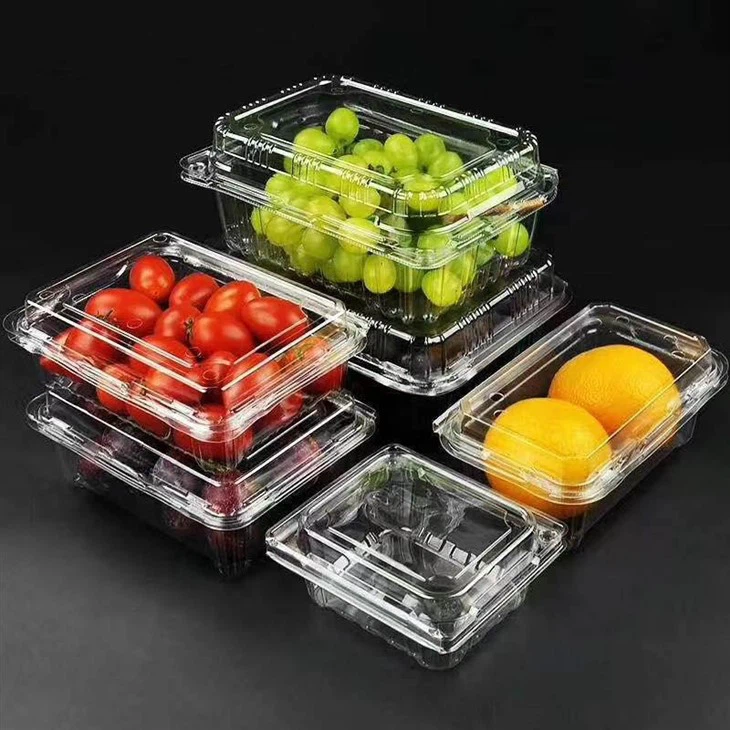
In the packaging industry, the choice of plastic sheet thickness depends on the type of product being packaged and the level of protection required. For example, thin plastic sheets are commonly used for single - use packaging items, such as food trays and disposable cups, as they are cost - effective and lightweight. Thicker plastic sheets, on the other hand, are used for heavy - duty packaging applications, such as shipping containers for industrial products, where they provide better protection against impact and damage.

Automotive Applications
In the automotive industry, plastic thermoforming is used to produce a variety of interior and exterior parts. Thin plastic sheets are used for components like dashboard covers and door panels, where weight reduction is a key consideration. Thicker sheets are employed for structural parts and enclosures, which need to withstand high levels of stress and impact. The ability of our thermoforming equipment to process a wide range of thicknesses allows automotive manufacturers to optimize the design and performance of their vehicles.
Consumer Goods Applications
For consumer goods, the thickness of the plastic sheet can affect the appearance, feel, and durability of the product. Thin sheets are often used for products like cosmetic packaging and small household items, as they can create a sleek and modern look. Thicker sheets are used for larger and more durable consumer products, such as outdoor furniture and storage containers.
Conclusion
As a Plastic Thermoforming Equipment supplier, we understand the importance of offering a wide thickness range of plastic sheet processing capabilities. Our machines are designed to handle plastic sheets from 0.1 mm to 10 mm, providing our customers with the flexibility to produce a diverse range of products across various industries. Whether you are looking to manufacture delicate blister packs or robust automotive parts, our equipment has the performance and reliability to meet your needs.
If you are interested in learning more about our plastic thermoforming equipment or have specific requirements regarding the thickness range of plastic sheets you need to process, we invite you to contact us for a detailed consultation. Our team of experts is ready to assist you in selecting the most suitable machine for your production needs and guiding you through the entire process from design to production.
References
- "Plastic Thermoforming Technology Handbook"
- "Advanced Materials in Thermoforming"
- Industry reports on plastic thermoforming applications in packaging, automotive, and consumer goods sectors.